
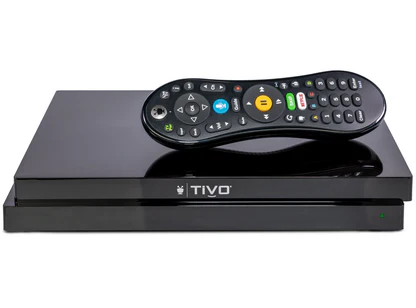
I still remember sitting in a meeting with this upstart tech company in 2000 explaining how their machine will revolutionize watching TV. It was a time when almost everyone was going to revolutionize the world with their product. So we hardly believed any pitch like that. But this company had a product that could change my viewing habits. At the time, you could record a show through a VCR which had so many restrictions. But at the time, just being able to record a show when you are not home was a great concept.
TiVo promised that you pause live TV, record entire seasons, and skip commercials. The best thing was that you could start a show from the beginning while it was still being recorded. This was not something that you could do with a VCR. Once I bought TiVo, it did change how I consumed television.
Now, according to a recent report by Variety, TiVo is exiting hardware business, effectively ceasing the sale of its iconic DVRs. This move marks the end of an era for a device that changed television viewing habits.
So what happened? A tale that you see time and again. Despite producing the best system, other companies started to introduce competing products. For example, Cable and satellite companies soon introduced their own DVRs, often integrated directly into their set-top boxes, making them a more convenient option for many consumers. The cable companies’ alternatives tended to inferior to the TiVo system but it was just good enough for customers to use. The fact that it was integrated into their cable systems provided consumers a seamless product. This development ate into their market share.
But the real game-changer was the internet. The rise of Netflix, Hulu, and countless other streaming services, coupled with the proliferation of smart TVs and streaming devices, gradually rendered the dedicated DVR less essential. Why record a show when you can simply stream it whenever you want?
TiVo was slow to see the developing landscape. When they attempted to adapt by integrating streaming apps, their service was not a best in breed offering.
When you do a post mortem on TiVo, it failed because they were late to adapt to streaming services and provided a poor integration with them when they did. TiVo also failed to market their services to the public leading to confusion on what their services were and why people needed them. Lastly, TiVo never build an ecosystem that provided a one shop service that addresses all of the customer’s needs. If you used TiVo, you need a cable box and another box for streaming services. But others provided a one stop shop that addresses all of their client needs which made it easier for consumers.
At the end of the day, TiVo provided a product and service that dramatically changed the television viewing habits of its users. It was so successful that many competitors copied their offerings especially cable companies. As so often happens, technology changed in the over 20 years since they launched their first product that resulted in far superior product and services than what TiVo had to offer. It is sad to see such a ground breaking service cease but it is understandable and not surprising. But I still look fondly back to the days when TiVo first came out and how much freedom it offered.